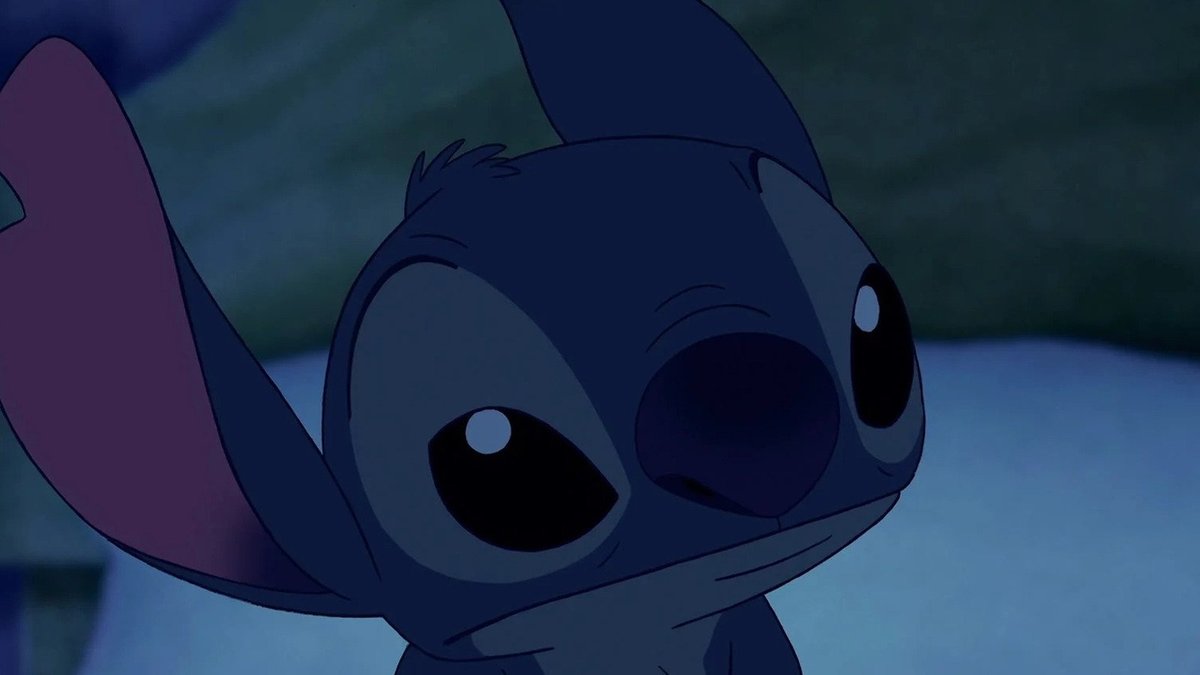
The vibrant world of Disney's Lilo & Stitch captured hearts with its unique blend of sci-fi adventure, Hawaiian culture, and profound themes of family and belonging. But beneath the surface of stunning animation and memorable music lies a rich tapestry of talent, particularly concerning Lilo's voice actress and real-world connection that brought these beloved characters to life. It's a story of vocal dexterity, cultural authenticity, and the powerful impact of casting choices that resonate far beyond the silver screen.
This isn't just about who spoke into a microphone; it's about the people who infused soul into pixels, connecting audiences to a deeply personal narrative. From the consistent voice behind the mischievous Lilo to the authentic Hawaiian spirit embodied by Nani's actress, these connections ground the fantastical in relatable human experience.
At a Glance: Unpacking the Voices of Ohana
- Lilo's Primary Voice: Daveigh Chase is the iconic voice for Lilo Pelekai in most major appearances, including the original 2002 film and the subsequent TV series and movies.
- A Chorus of Lilos: Across numerous appearances, Lilo has been voiced by over 20 actors, showcasing the breadth of the franchise.
- Nani's Authentic Voice: Tia Carrere, an accomplished Hawaiian-born actress and singer, lent her voice and genuine heritage to Nani Pelekai, Lilo's older sister.
- Live-Action Nani & Debate: Sydney Agudong, another Hawaiian native, is cast as Nani in the upcoming live-action adaptation, sparking important discussions about colorism in media.
- Nani: The Unsung Hero: At 19, Nani serves as Lilo's legal guardian, embodying strength, sacrifice, and the emotional core of the Lilo & Stitch saga.
The Many Voices of Lilo: Consistency in Chaos
When you think of Lilo Pelekai, the spirited, unconventional Hawaiian girl who adopts an alien, a specific voice likely comes to mind. That distinctive, slightly raspy, yet incredibly earnest tone is primarily thanks to Daveigh Chase. She is, without a doubt, the most frequent and recognizable voice of Lilo, laying the foundation for the character's personality and appeal.
Chase brought Lilo to life in seven key titles, a remarkable feat that solidified her portrayal as the definitive Lilo for many fans. This includes the seminal 2002 movie that started it all, its accompanying video game, the beloved 2003 TV show, the follow-up movie, the "Hawaiian Discovery" game, the 2006 "Leroy & Stitch" movie, and even a commercial. Her consistent performance provided an anchor for the character, allowing audiences to connect deeply with Lilo's quirks, vulnerability, and unwavering love for her "ohana."
However, the world of animation, especially across a sprawling franchise, often sees multiple talents step into beloved roles. While Chase holds the torch for the most significant appearances, Lilo's character has been voiced by a remarkable total of 20 actors across 13 different productions. This practice is common in the industry, often due to scheduling conflicts, character age progression, or specific regional adaptations.
Other notable actors who have contributed their vocal talents to Lilo include:
- Dakota Fanning: Stepped in for Lilo & Stitch 2: Stitch Has a Glitch (2005), delivering a performance that maintained the character's spirit during a pivotal sequel.
- Tara Strong: Voiced an "Older Lilo" in a segment of the 2003 Lilo & Stitch TV Show, offering a glimpse into the character's potential future.
- Gwendoline Yeo: Contributed to the Stitch! series in 2011, showcasing Lilo's continuing adventures in a different narrative context.
- Melissa Fahn: Voiced "Young Lilo" in the same Stitch! series, demonstrating the need for varied vocal ranges to capture different life stages.
- Micah Aliling: The most recent addition, voicing Lilo in the 2023 game Disney Speedstorm.
Each actor brought their own nuance, but it was Daveigh Chase's initial, groundbreaking work that truly cemented Lilo's voice in the hearts of millions, proving that even a young voice can leave an indelible mark on cinematic history. Understanding this vocal journey helps us appreciate [the unsung heroics of voice acting in animation](placeholder_link slug="the-role-of-voice-acting-in-animation" text="the unsung heroics of voice acting in animation"), where consistency and character integrity are paramount.
Nani Pelekai: The Unsung Heartbeat of Ohana
While Lilo's antics and Stitch's chaotic charm often take center stage, it is Nani Pelekai, Lilo's older sister and guardian, who serves as the unwavering emotional anchor of the entire Lilo & Stitch saga. Her character embodies profound strength, sacrifice, and an enduring spirit in the face of immense adversity.
In the original 2002 film, Nani is introduced as a 19-year-old thrust into an unimaginable role: sole legal guardian to her younger sister after their parents' tragic death. This instantly makes her a relatable, powerful figure, juggling work, home life, and the overwhelming responsibility of raising a child, all while still navigating her own youth. Her struggles are grounded in a harsh reality that many viewers, particularly young adults stepping into early adulthood roles, can deeply understand. Nani's journey is a testament to the resilient spirit of family, or "ohana," a core theme that resonates throughout [the enduring magic of Lilo & Stitch's story](placeholder_link slug="the-magic-of-lilo-and-stitch-story" text="the enduring magic of Lilo & Stitch's story").
Tia Carrere's Authentic Connection: Voicing Nani with Soul
The success of Nani's character owes an immeasurable debt to Tia Carrere, who voiced her in the original 2002 animated classic and continued to do so throughout the sequels and animated series. Carrere's connection to Nani goes far beyond simply reading lines; it's a deep-seated real-world bond that infused the character with undeniable authenticity and warmth.
Born Althea Rae Janairo in Honolulu, Hawaii, Carrere is a multi-talented actress, singer, and producer with a rich heritage of Filipino, Chinese, and Spanish descent. This personal background was not just a coincidental detail; it was a powerful asset that she brought to Nani.
Consider these impactful contributions:
- Genuine Hawaiian Heritage: Carrere's roots in Hawaii provided an intrinsic understanding of the cultural nuances, inflections, and emotional depth required for a character so deeply tied to the islands. She understood the concept of "ohana" not as a script note, but as a lived experience.
- Musical Talent: A Grammy Award-winning singer, primarily celebrated for her Hawaiian music, Carrere's vocal prowess wasn't limited to dialogue. Her performance of the iconic Hawaiian song “Aloha ʻOe” in the film is a poignant, unforgettable moment that elevates the scene and grounds it in genuine island culture. This musical contribution wasn't just artistic; it was cultural, weaving a thread of heritage into the very fabric of the film.
- Relatable Portrayal: Beyond her heritage, Carrere’s acting experience in roles like Cassandra Wong in Wayne's World showcased her ability to balance strength with vulnerability, a perfect fit for Nani's complex character. She managed to portray Nani's exhaustion, frustration, and immense love with equal believability.
Tia Carrere's casting wasn't just a choice; it was an embodiment. Her ability to channel her own heritage and talent into Nani Pelekai made the character feel profoundly real, transforming Nani from an animated figure into a beloved representation of a young woman struggling, sacrificing, and loving fiercely. It's a prime example of [Disney's evolving approach to cultural representation](placeholder_link slug="cultural-representation-in-disney-films" text="Disney's evolving approach to cultural representation") done right.
The Nuances of Nani's Character: Age, Responsibility, and Love
Nani's age is a crucial element of her character. At 19, she's barely an adult herself, yet bears the weight of a parent. This sharp contrast with Lilo, who is just six years old at the start of the film—you can [find out how old Lilo is](placeholder_link slug="how-old-is-lilo" text="find out how old Lilo is") in more detail—highlights Nani's incredible maturity and selflessness. Her struggle to keep their family together, battling social workers and the pressures of poverty, forms the powerful undercurrent of the story.
Nani's character arc is not about finding romance or achieving personal glory; it's about sustaining her family, keeping her sister safe, and holding onto their ancestral home. She is a powerful, realistic portrayal of a young woman grappling with immense responsibilities, showcasing the quiet heroism found in everyday acts of love and perseverance. This depth of character made her central throughout the Lilo & Stitch franchise, a testament to her enduring importance.
A New Era: The Live-Action Nani and Real-World Conversations
The Lilo & Stitch story is set to grace screens once more, this time in a live-action adaptation slated for 2026. This new iteration brings with it both excitement and inevitable scrutiny, particularly concerning the casting of beloved characters. For Nani Pelekai, the role is being taken on by Sydney Agudong.
Agudong is a young actress and singer also hailing from Kauaʻi, Hawaii, giving her a vital real-world connection to the film's setting and culture, much like Tia Carrere. Her previous roles in films like Infamously in Love and the TV series On My Block demonstrate her emerging talent.
However, Agudong's casting as Nani sparked significant debate online, igniting a crucial conversation about representation and colorism. Some fans noted a perceptible difference in skin tone between Agudong and the animated Nani, who is depicted with a darker complexion typical of many Polynesian people.
Understanding the Colorism Debate
This discussion isn't merely about appearance; it delves into the complex and often sensitive issue of colorism—a form of discrimination where individuals with lighter skin tones are favored over those with darker skin tones, often within the same racial or ethnic group. For many, the animated Nani represented a significant character with darker skin, a rare and important visual for Polynesian representation in mainstream media.
The debate highlighted concerns among some viewers that casting a lighter-skinned actress might inadvertently perpetuate colorist biases in Hollywood, missing an opportunity to represent the full spectrum of Hawaiian and Pacific Islander complexions. This conversation, while sometimes contentious, underscores the growing awareness and demand for authentic and diverse representation across all media platforms. It's a real-world connection that pushes the boundaries of cinematic choices and prompts audiences to [delve deeper into the conversation around colorism in media](placeholder_link slug="understanding-colorism-in-media" text="delve deeper into the conversation around colorism in media") and its impact.
The conversation around Agudong's casting is complex. It brings into focus the challenges and responsibilities of adapting animated characters to live-action, especially when those characters hold significant cultural weight. It's a dialogue that emphasizes that beyond just hiring an actor from the right region, there's a broader expectation for nuanced representation that reflects the diversity within communities.
Why Real-World Connections Matter in Storytelling
The cases of Daveigh Chase providing consistent vocal identity for Lilo, and particularly Tia Carrere's deep cultural and musical connection to Nani, powerfully illustrate why real-world connections are invaluable in storytelling. These aren't just details; they are foundational elements that elevate a narrative from merely entertaining to truly impactful.
- Authenticity and Resonance: When an actor shares genuine heritage or experience with their character, it brings an undeniable layer of authenticity. Carrere's Hawaiian background allowed her to infuse Nani with a nuanced understanding of "ohana" and island life that a performer without such ties might struggle to replicate. This authenticity helps the audience connect more deeply, making the characters feel more real and relatable.
- Cultural Enrichment: Authentic casting and input enrich the cultural tapestry of a film. The inclusion of “Aloha ʻOe” performed by Carrere, for instance, isn't just a pretty song; it's a piece of Hawaiian history and emotion seamlessly woven into the narrative, educating and immersing the audience in the culture. This moves beyond superficial representation to meaningful integration.
- Representation and Identity: For audiences, especially those from underrepresented communities, seeing themselves reflected accurately on screen is profoundly validating. When characters like Nani are portrayed with cultural integrity, it provides vital representation, fostering a sense of pride and belonging. The discussions around the live-action Nani underscore how important this representation is and the desire for it to be as inclusive as possible.
- Beyond the Script: Real-world connections often mean actors bring more than just their performance skills; they bring their lived experiences, their understanding of nuances, and their ability to advocate for their character's portrayal. This collaborative depth ensures the character remains true to their essence, even as they evolve, like [how Disney animated characters evolve](placeholder_link slug="disney-animated-character-design-evolution" text="how Disney animated characters evolve") over time.
These real-world ties transform the animated characters from drawings into living, breathing entities, ensuring that the heart of Lilo & Stitch beats with genuine warmth and cultural respect.
Common Questions and Misconceptions
The rich history and cultural context of Lilo & Stitch often lead to interesting questions. Let's clarify some common points:
Is Tia Carrere really Hawaiian?
Yes, absolutely. Tia Carrere was born Althea Rae Janairo in Honolulu, Hawaii. Her heritage includes Filipino, Chinese, and Spanish roots, and she has deep connections to the islands and their culture, including a successful career as a Grammy-winning Hawaiian music artist. This authentic background significantly enriched her portrayal of Nani.
How many voice actors has Lilo had?
Across its numerous appearances in films, TV shows, and video games, Lilo Pelekai has been voiced by over 20 different actors. However, Daveigh Chase is the most prominent and consistent voice, notably in the original film and the majority of the animated series.
Why was Nani so young to be Lilo's guardian?
Nani was 19 years old in the original film, a deliberate choice by the creators to highlight her immense struggles and responsibilities. Her youth underscores the difficulty of her situation, having to step into a parental role for her younger sister, Lilo, after the tragic death of their parents. This narrative choice amplified the themes of "ohana" and sacrifice.
What is the significance of "ohana"?
"Ohana" is a Hawaiian term meaning family, encompassing not only blood relatives but also chosen family and close friends. It signifies a profound sense of interconnectedness, loyalty, and unconditional love. In Lilo & Stitch, the phrase "Ohana means family. Family means nobody gets left behind or forgotten" becomes the central theme, beautifully articulating the bond between Lilo, Nani, Stitch, and their extended circle.
The Enduring Ohana: A Legacy of Voices and Heart
The journey through Lilo's voice actress and real-world connection reveals a narrative as compelling as the film itself. From Daveigh Chase’s consistent portrayal of Lilo’s spirited innocence to Tia Carrere’s culturally rich embodiment of Nani, these choices were not just about casting; they were about weaving authenticity into the fabric of a beloved story. The upcoming live-action adaptation, with Sydney Agudong stepping into Nani's shoes, continues this conversation, pushing us to consider the profound impact of representation in all its forms.
The Lilo & Stitch franchise endures not just because of its lovable characters or captivating plot, but because it’s built on a foundation of genuine emotion and real-world resonance. The actors, particularly those with authentic ties to the culture depicted, serve as vital bridges, connecting the magic of animation to the lived experiences of diverse audiences. Their contributions ensure that the spirit of ohana, with all its complexities and unwavering love, continues to inspire and resonate deeply, solidifying Lilo & Stitch as a timeless classic.